Room transitions
Furniture and belongings tied to the correct room
Senior Living Communities
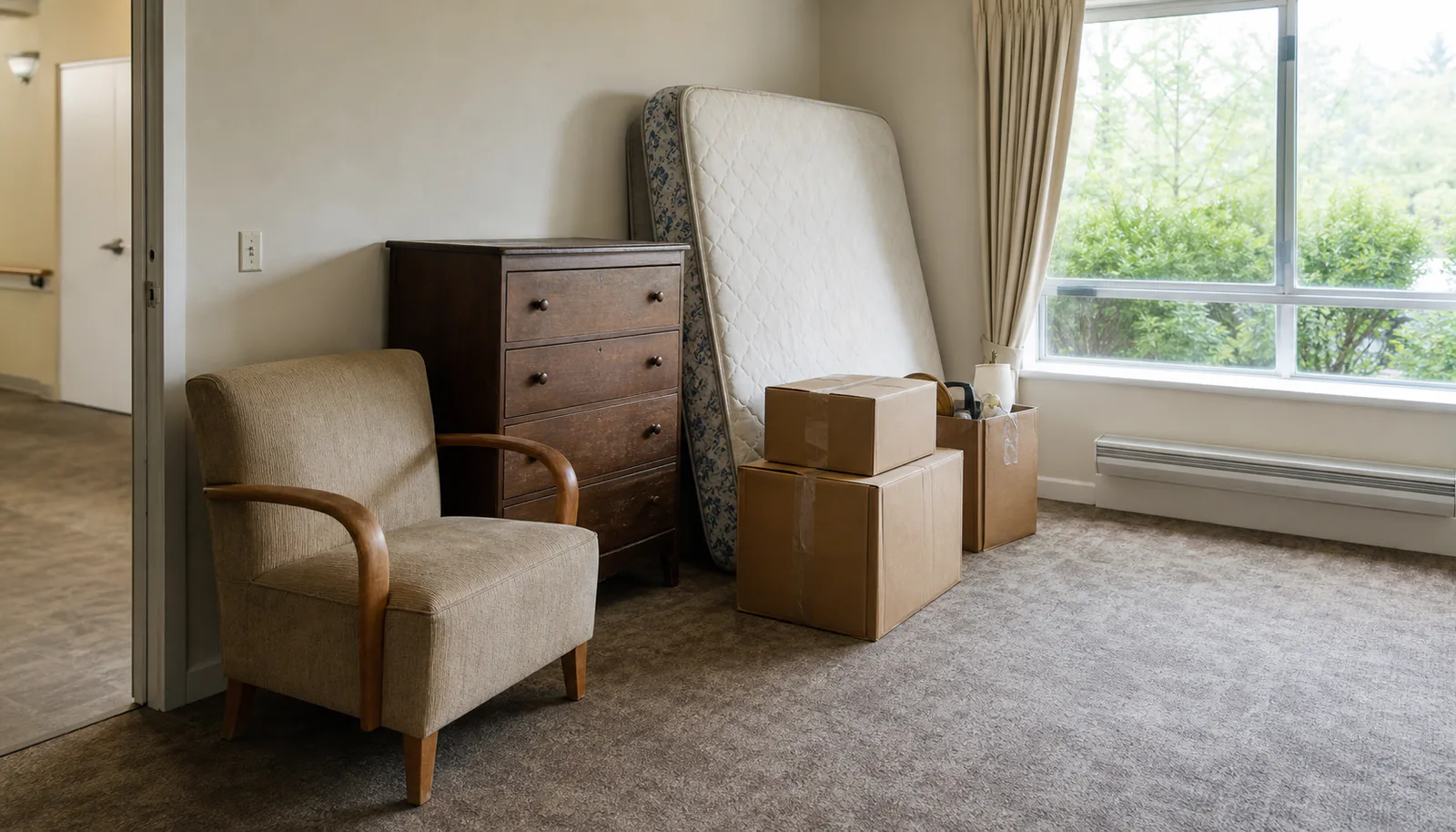
Plan furniture removal and room cleanouts around residents, staff, elevators, privacy, and the community’s daily routine.
One point of contact, one clearly identified room or area, and a plan for community access.
Room and Community Transitions
A clear request connects the decision-maker, items to remove, staff requirements, and the community’s daily routine.
Furniture and belongings tied to the correct room
One contact who can make item decisions
Shared-area items identified separately
Clear decisions about what is included
Access planned around occupied spaces
No unnecessary exposure of resident information
Community Routine
Careful Coordination Protects the Community Routine
Plan the work around residents, staff, families, elevators, and occupied spaces so a private room transition stays calm and contained.
Room Access
Share parking, elevator, staff, privacy, and preferred timing requirements before items begin moving.
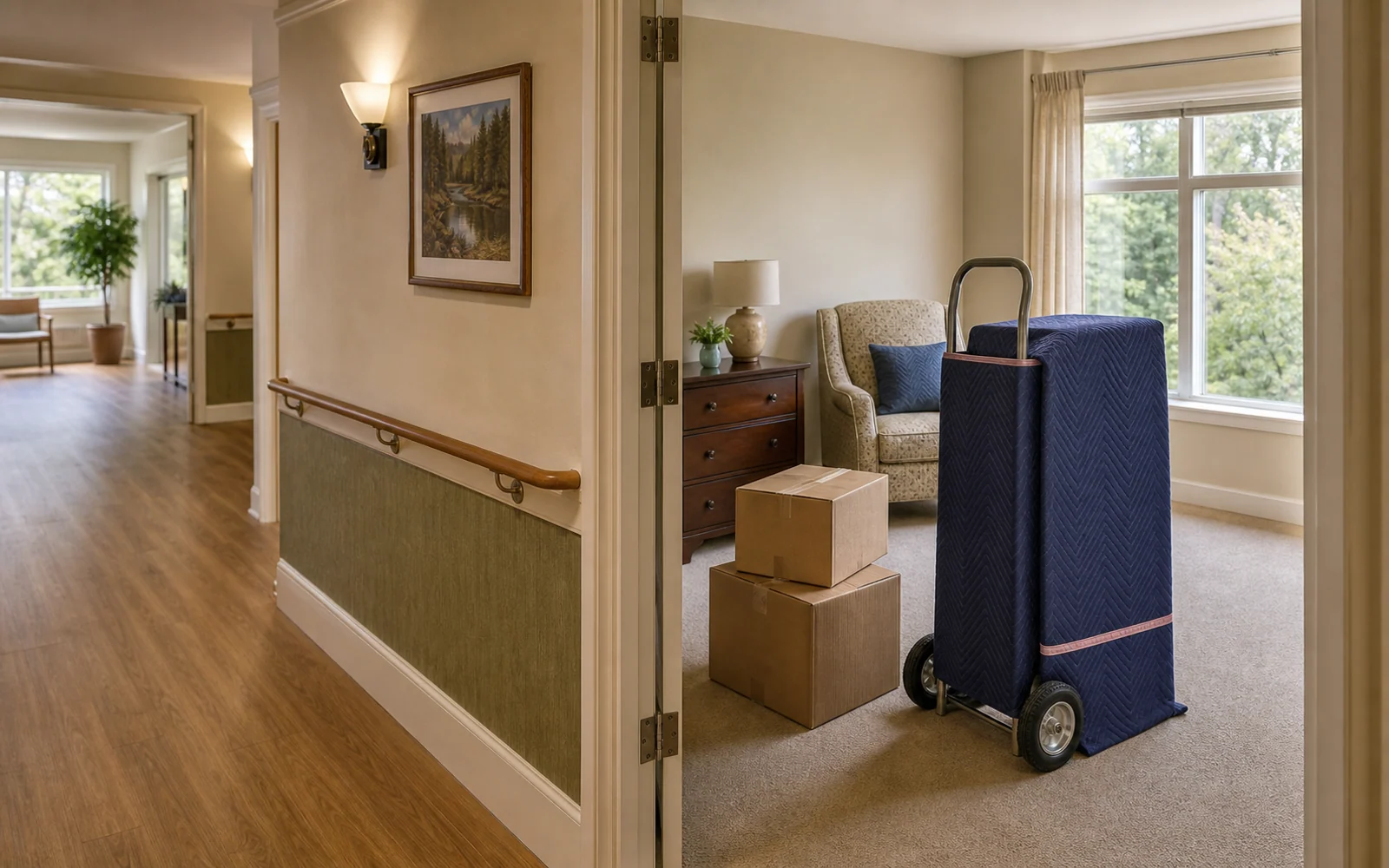
A Calm Coordination Path
One person confirms the items to remove
The correct private or shared space is identified
Staff and community requirements are known
Medical, hazardous, and private items are separated
A Respectful Fit
The clearest requests use one decision-maker, protect resident privacy, identify sensitive exclusions, and give the crew a workable path through the community.
Sensitive Exclusions
Medical, hazardous, private, or unauthorized items are outside ordinary junk removal and may require another handling path.
Separate them before the removal team arrives.
They require a different handling or disposal path.
Keep personal information outside the hauling area.
Resolve item decisions before service.
Related Transition Support
Questions
Use one authorized contact who can confirm the room, scope, access plan, and decisions about included items.
Identify and separate them before service. Medical, hazardous, and sensitive items may require another approved process.
Share elevator timing, parking, staff coordination, occupied-area rules, privacy needs, and the preferred work window.
Send the point of contact, room or area, items to remove, access requirements, and preferred timing for review.